Shamiran Istifan Arms the Angels
Artist Shamiran Istifan
Direction Enantios Dromos
Movement Direction Rosario Bohío
Styling Naima Ghoul
Styling Assistant Franca Apotheloz
Hair and Make-up Solune Laurent
Sound Jamira Estrada
Voice Yeshe
Words Veronica Tlapanco Szabó
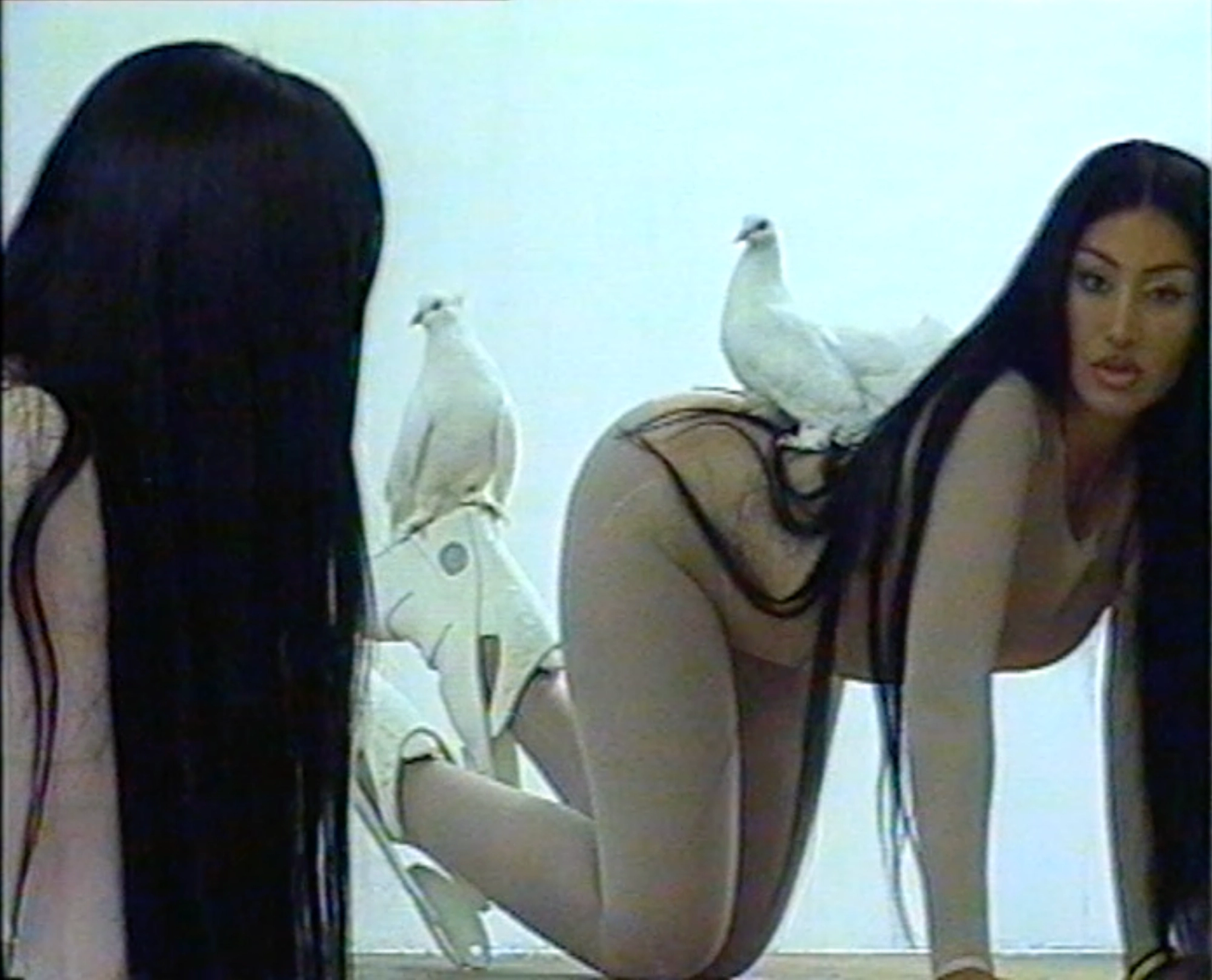
There is something almost serendipitous in the pairing of She-Devils on Wheels by Sylvie Fleury and Angels on Heels by Shamiran Istifan at Migros Museum. The two shows embody seemingly opposing characters that, much like their makers, end up revealing themselves to be much more complementary than meets the eye. Sylvie Fleury and Shamiran Istifan, two female artists separated by a generation are united by the similar cultural landscape present in Geneva and Zurich, drawing from a common visual vocabulary to reinterpret spaces and symbols traditionally coded as masculine.
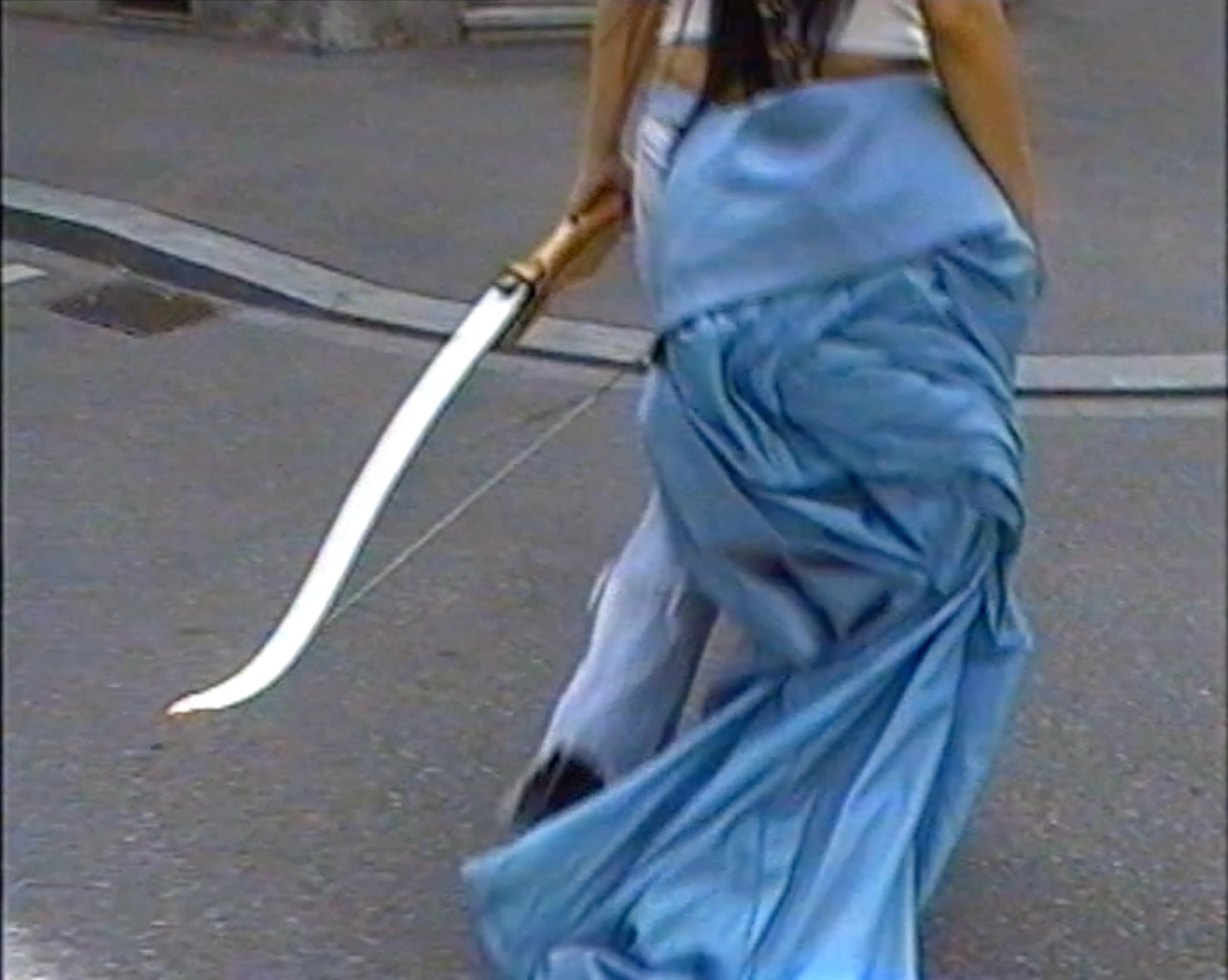
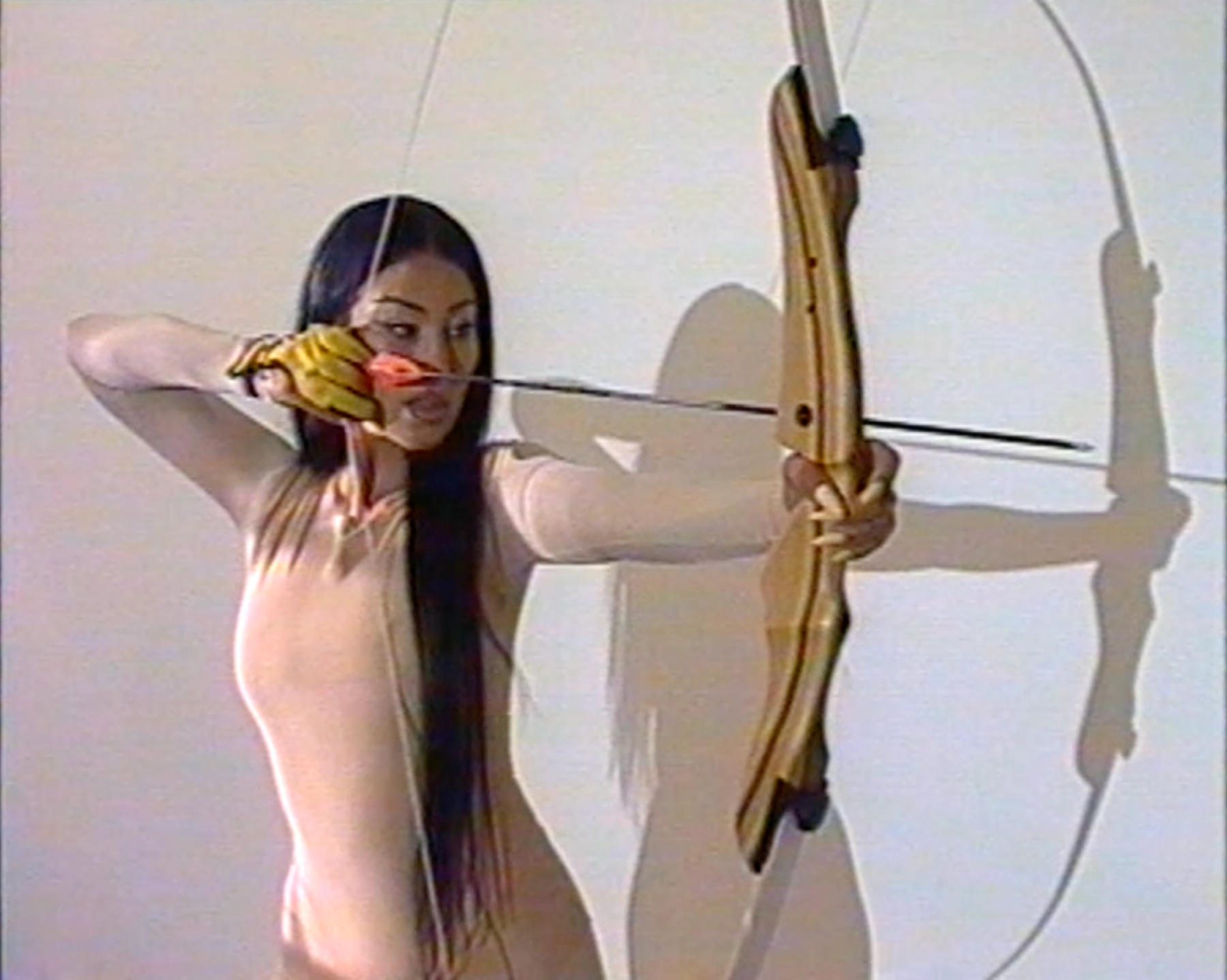
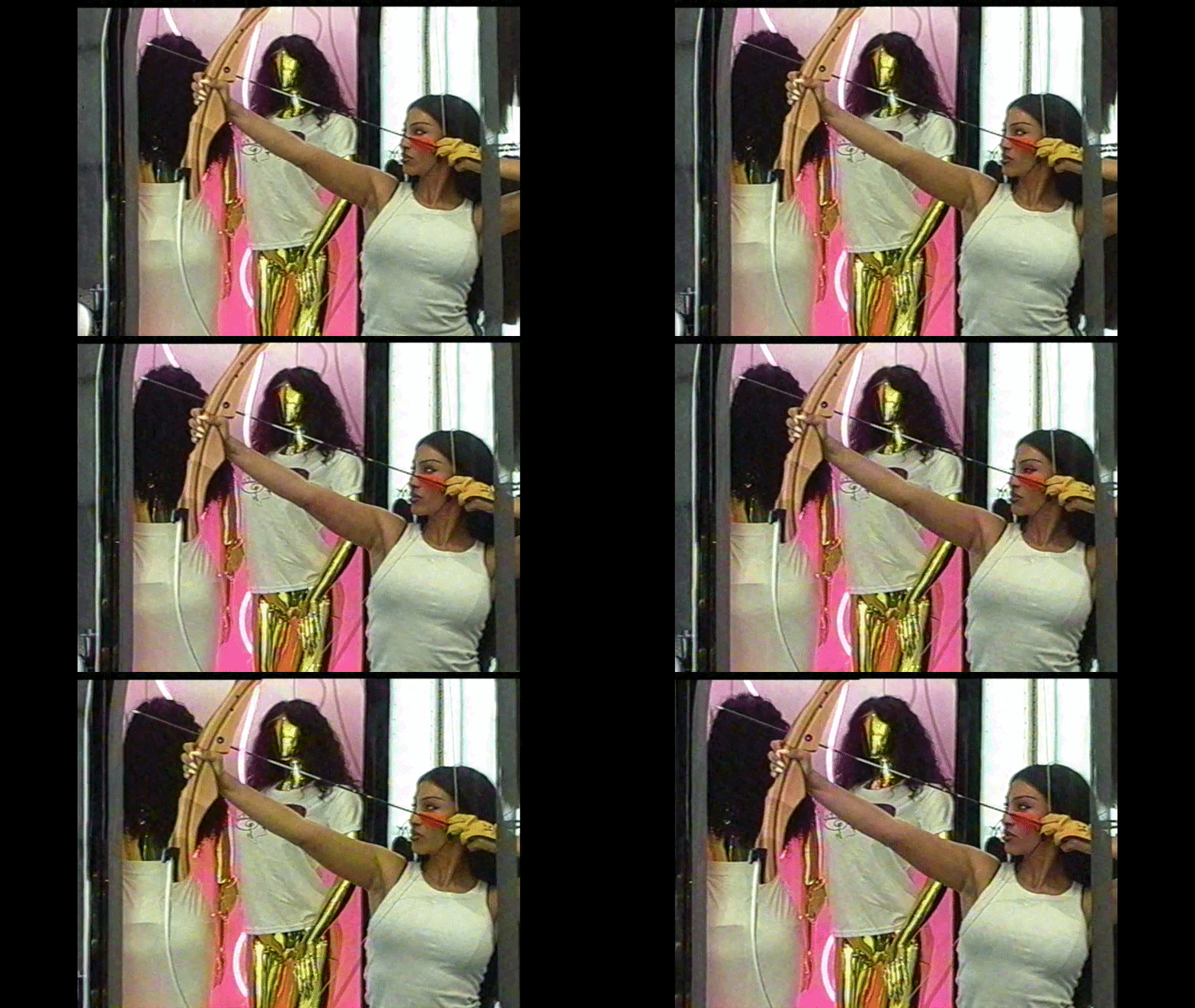
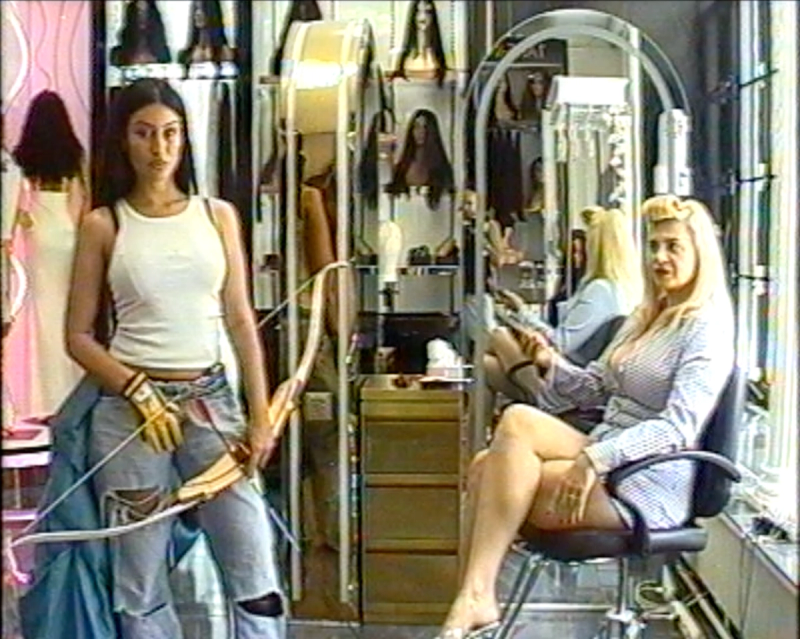
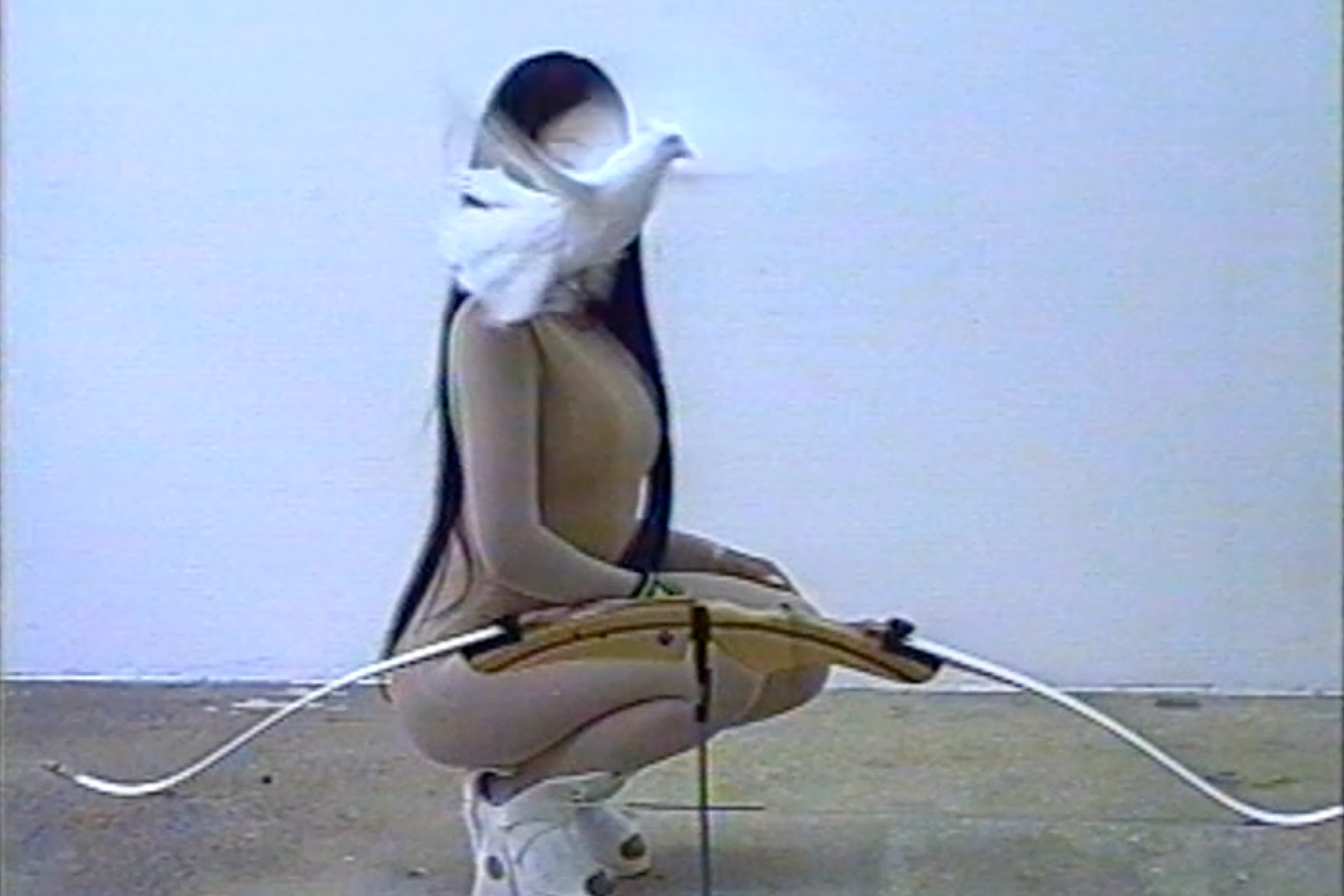
Growing up in Switzerland the Armbrust, or crossbow, is familiar from childhood. The object is woven into the national mythology of Wilhelm Tell, its image is so deeply bound to the figure of the male hero that we rarely stop to imagine a woman holding it. But Shamiran Istifan does not shy away from the bow. She arms herself with it and sets out into the city, “slaying” items in the supermarket along the way in her short film "The Hunted". Beyoncé’s Hold Up plays as Istifan swaps the bat for the bow, her rich gemstone-coloured train trailing behind her making her both, the heroine and the hunter.
Rooted in strategies of appropriation and reinterpretation, Istifan’s work brings an unruly constellation of references into collision. Everyday life, art history, film and mythology all comfortably occupy the screen together.
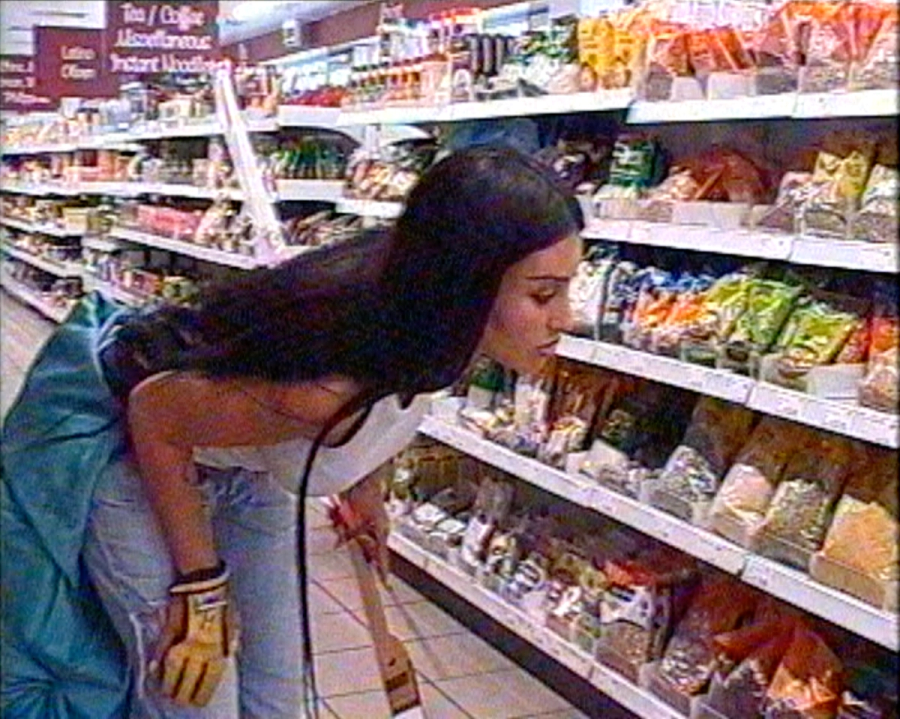
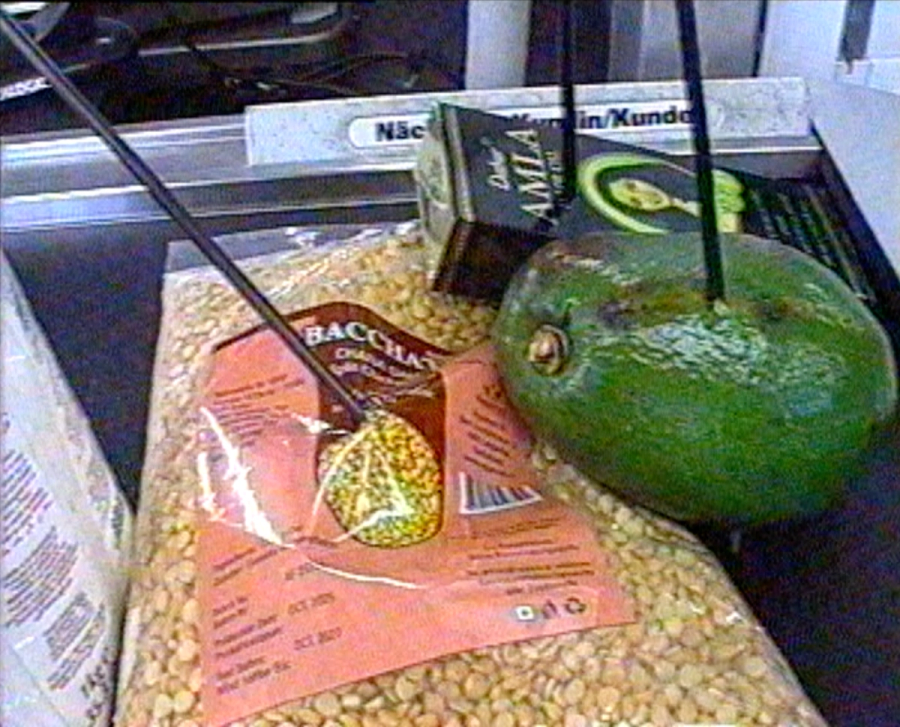
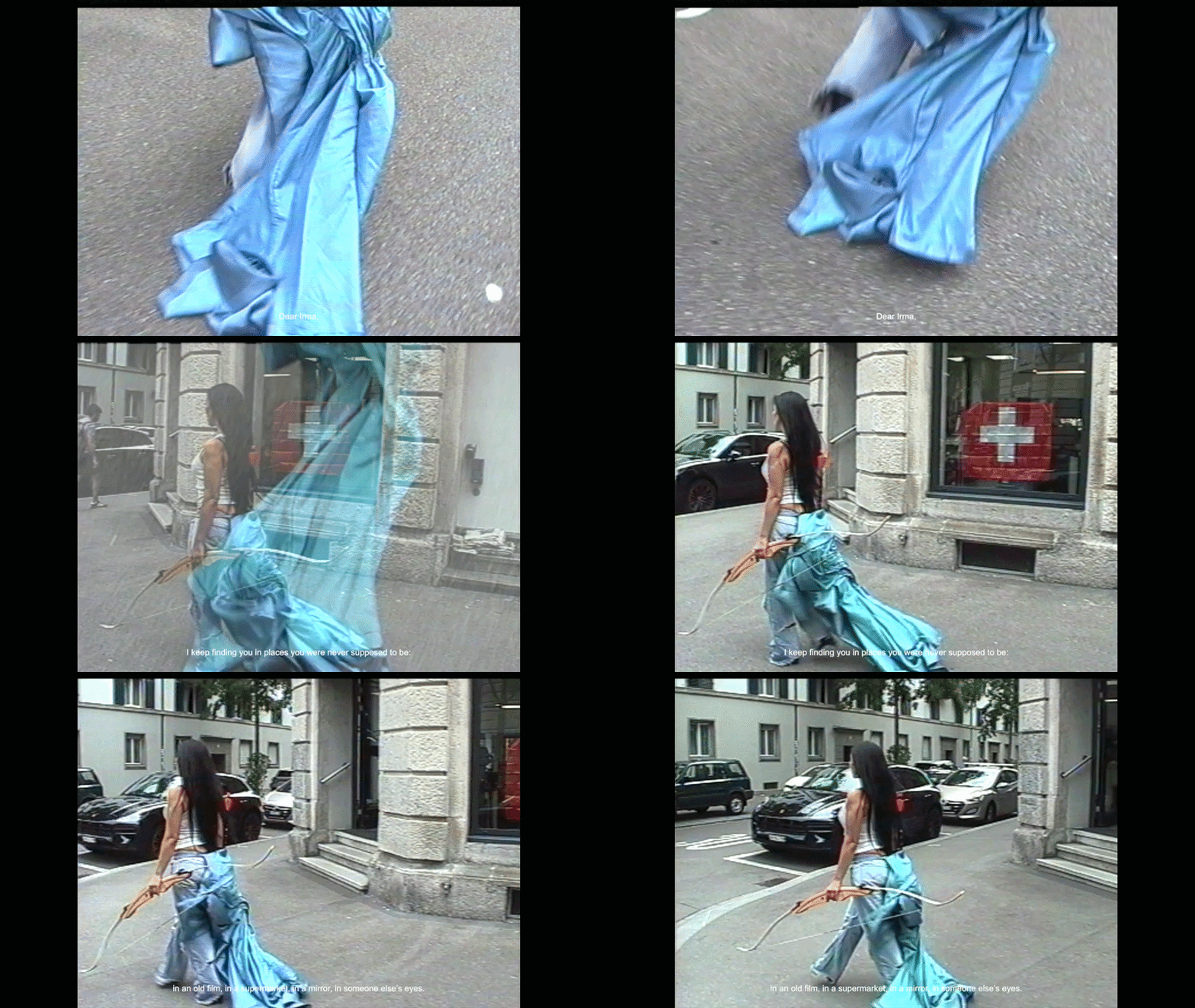
Steeped in layers of media references, Istifan also draws from one of European cinema’s earliest and most enduring vampires, Irma Vep from the mini series Les Vampires (1915). She calls out to the figure directly in the voiceover: “Dear Irma, I keep finding you in places you were never supposed to be: in an old film, in a supermarket, in a mirror, in someone else’s eyes.” Proving that the past is never quite the past.
Cultural forms may ceaselessly shift, but they continue to orbit the same gravitational point. Shamiran Istifan knows this all too well.
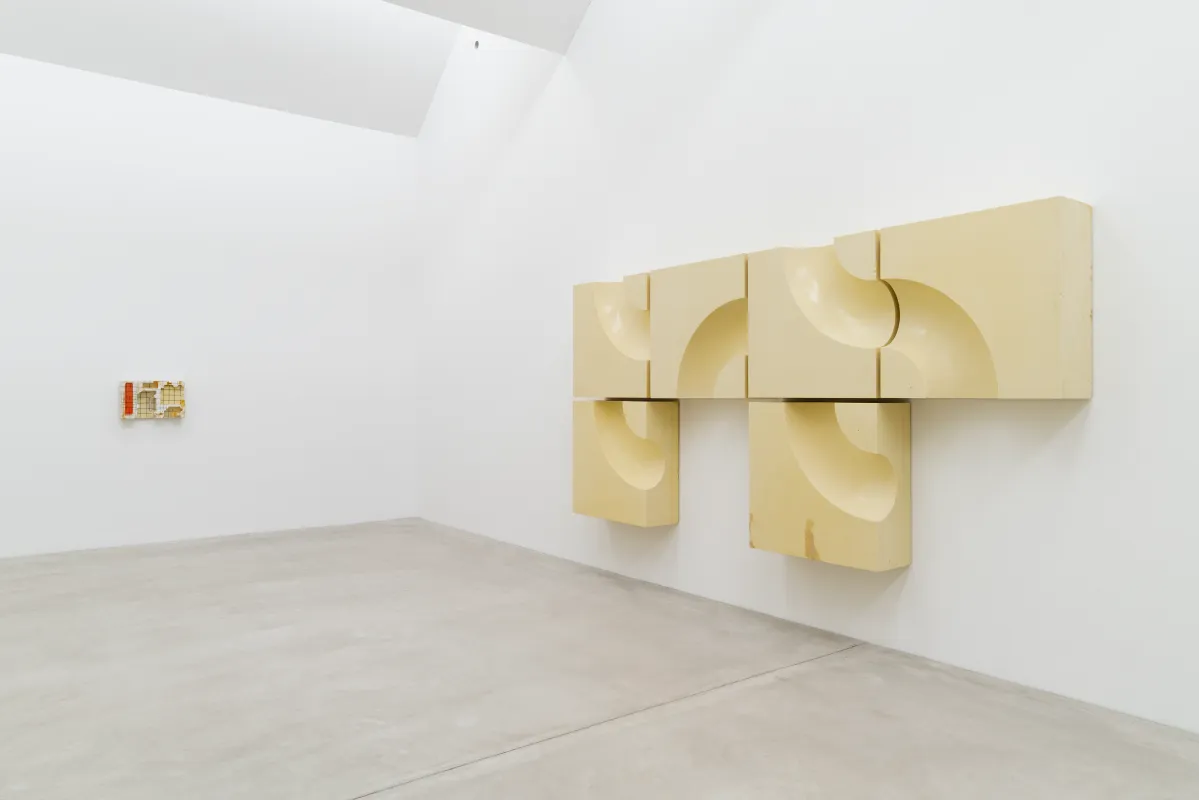
Her work also resonates with Fleury’s oeuvre, bringing everyday popular cultural codes into question for their exclusionary nature. Displayed for the first time in 20 years, the work that instigates this dialogue is Sylvie Fleury’s She-Devils on Wheels – Headquarters (1997), from the collection of the Migros Museum für Gegenwartskunst, which confronts the exclusion of women from motorsports. It stages the bureau of a motoring club emblazoned with the words She-Devils on Wheels, borrowed from the 1968 B-movie of the same name.
The film follows an all-female motorbike gang, aptly named ‘The Man-Eaters’, who carve out a place for themselves in a male-dominated society through wild bouts of violence. Fleury let fiction bleed into reality, drawing from her own life experience to found a motor racing club under the same name as the piece, making space for female aficionadas to swoon over motors and machinery.